Why menopause causes belly fat
If your weight has crept up around your middle in midlife — even when your diet hasn't changed — it isn't your imagination, and it isn't a willpower problem. Estrogen influences where the body stores fat. Before menopause, women tend to store fat on the hips and thighs (the "pear" shape). As estrogen falls, fat redistributes toward the abdomen (the "apple" shape), including deeper visceral fat that wraps around the internal organs. Three forces stack up here:
- Falling estrogen redirects fat storage to the belly.
- Age-related muscle loss (sarcopenia) lowers your resting metabolism, so you burn fewer calories than you used to.
- Poor sleep and stress — both common in menopause — raise cortisol and appetite hormones that favor abdominal fat. See menopause insomnia.
Why belly fat matters — beyond appearance
This isn't only about how clothes fit. Visceral fat is metabolically active — it releases inflammatory signals and is linked to a higher risk of heart disease, type 2 diabetes, and high blood pressure. That's why the goal is better health and a smaller waist, not a number on the scale alone.
What actually works
| Works | Doesn't work |
|---|---|
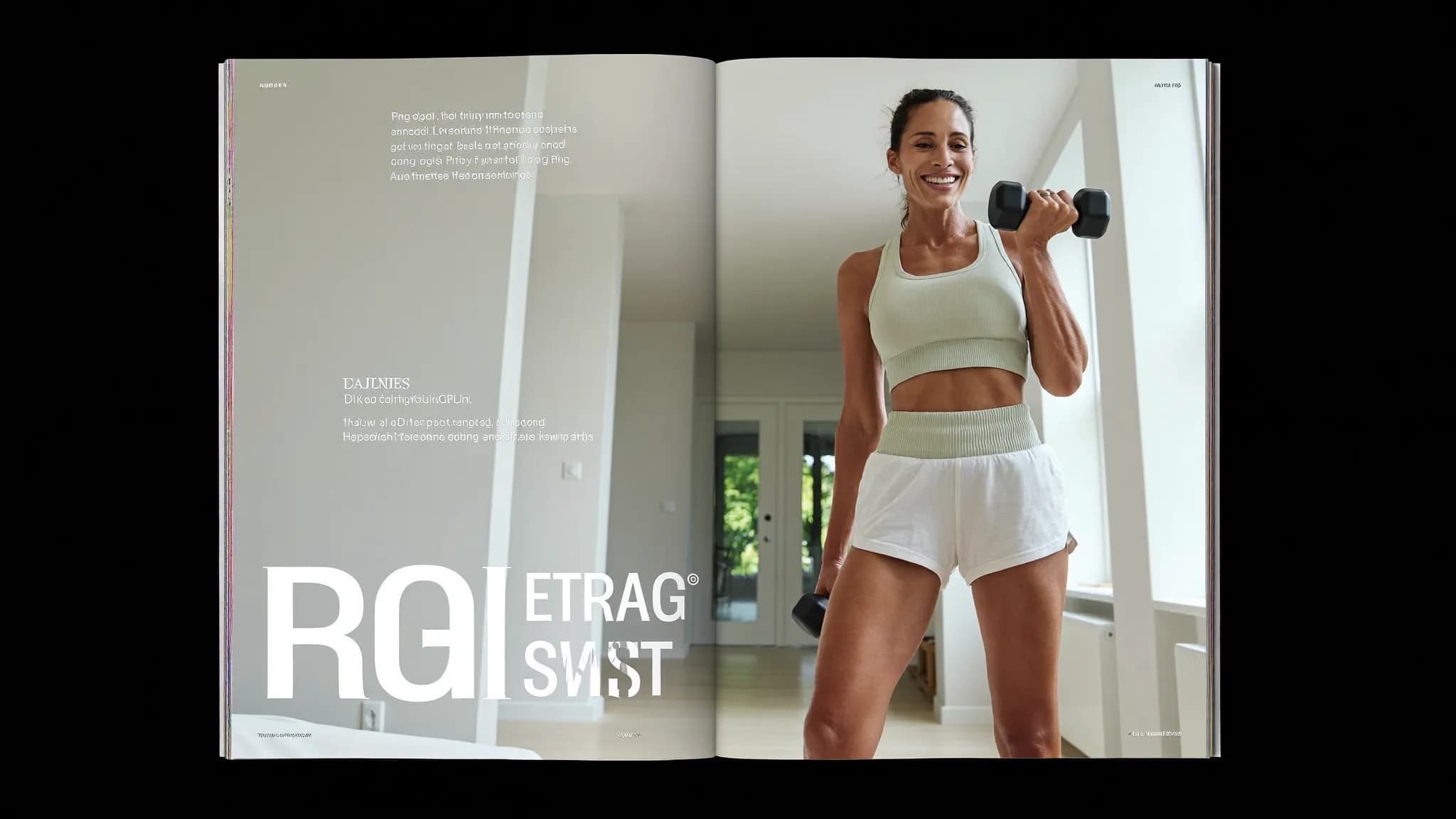
| Strength training 2–3×/week — rebuilds the muscle that protects your metabolism | Spot reduction — crunches don't burn belly fat specifically |
| Adequate protein spread through the day — preserves muscle and curbs appetite | Crash or very-low-calorie diets — they strip muscle and rebound |
| A Mediterranean-style eating pattern in an overall calorie balance | "Menopause belly" teas, detoxes, and gimmick supplements |
| Good sleep — poor sleep directly promotes abdominal fat | Relying on cardio alone while losing muscle |
| Managing stress to lower cortisol | Cutting out whole food groups long-term |
The throughline: build and keep muscle, eat enough protein, sleep, and follow a sustainable menopause-friendly diet rather than chasing quick fixes.
Does HRT help with menopause belly fat?
There is evidence that hormone therapy modestly reduces the shift toward abdominal and visceral fat, helping preserve a more pre-menopausal fat distribution. But HT is not a weight-loss treatment — it is prescribed for symptoms like hot flashes, and any effect on fat distribution is a side benefit, not the reason to start it. Discuss the full picture with a clinician.
When to see a clinician
See a doctor for rapid, unexplained weight gain (which can occasionally signal a thyroid or other issue), if you'd like help building a realistic plan, or if your waist measurement and other risk factors suggest you'd benefit from a closer look at your heart and metabolic health.