Why menopause causes hair thinning
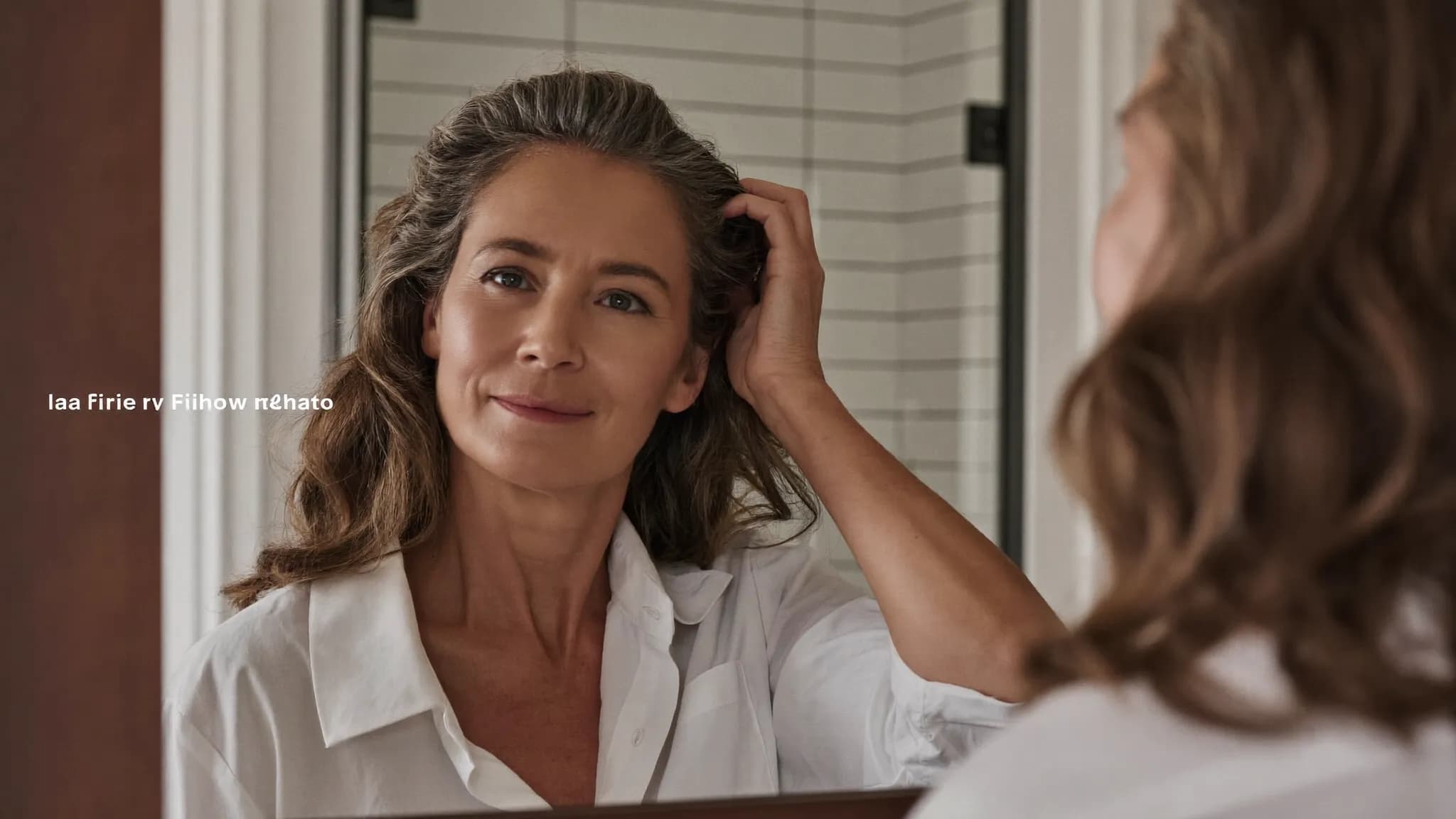
As estrogen and progesterone fall in menopause, their balance with androgens (male-type hormones everyone has) shifts. Estrogen helps keep hair in its growth phase, so as it drops, hair can grow more slowly, become finer, and shed more — typically as female-pattern thinning at the top of the head and along the part, rather than a receding hairline. It rarely causes complete baldness, but a wider part or a thinner ponytail is common and understandably distressing.
Other causes worth ruling out
Menopause is often not the only factor. Thyroid problems, low iron, low vitamin D, rapid weight loss, certain medications, and high stress all cause hair shedding and frequently overlap with this stage of life. Because some of these are very treatable, it's worth having a clinician check the basics with simple blood tests before assuming it's "just menopause."
What helps
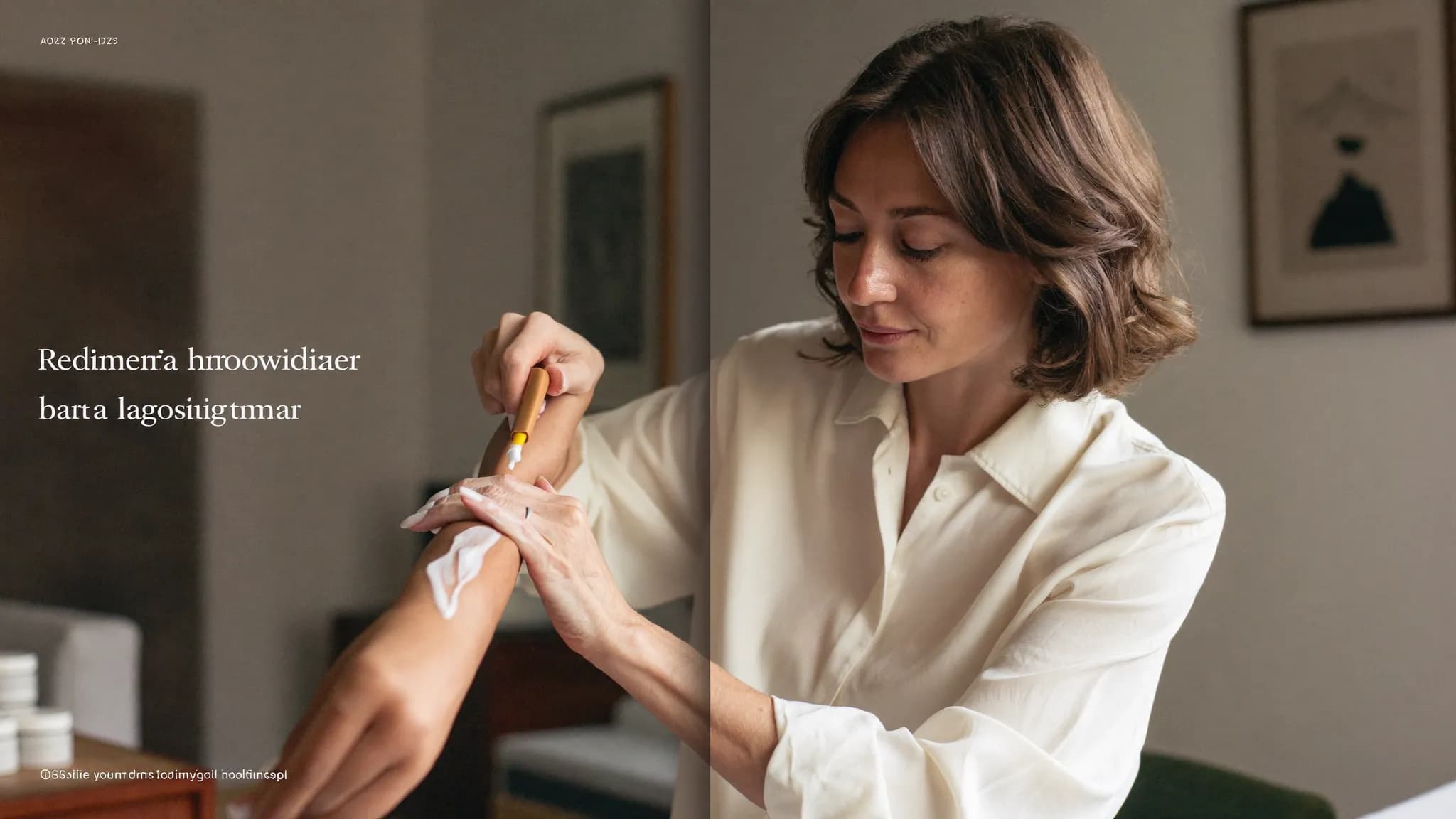
- Topical minoxidil is the best-evidenced over-the-counter treatment for female-pattern thinning; it takes a few months and needs to be continued to keep results.
- Correct any deficiencies — treating low iron, thyroid issues, or vitamin D shortfalls can make a real difference.
- Be gentle — avoid tight styles, harsh heat, and aggressive brushing; eat enough protein.
- See a dermatologist for persistent or patchy loss; they can confirm the pattern and discuss prescription options. Hormone therapy helps some women indirectly.
When to see a clinician
See a doctor or dermatologist for sudden, patchy, or rapid hair loss, or thinning that comes with other symptoms — these may point to a treatable cause beyond menopause. For related testing, see menopause hormone testing.